Designing Strategic Incongruity: An Audio Device for Sharpening Pencils
shinnosuke hirose; Yuta Uozumi; Ryoho Kobayashi; Shinya Fujii
- oral
- Paper PDF link
- Presence: in person
- Duration: 16
- Type: long
- Session: Musical Objects
Abstract:
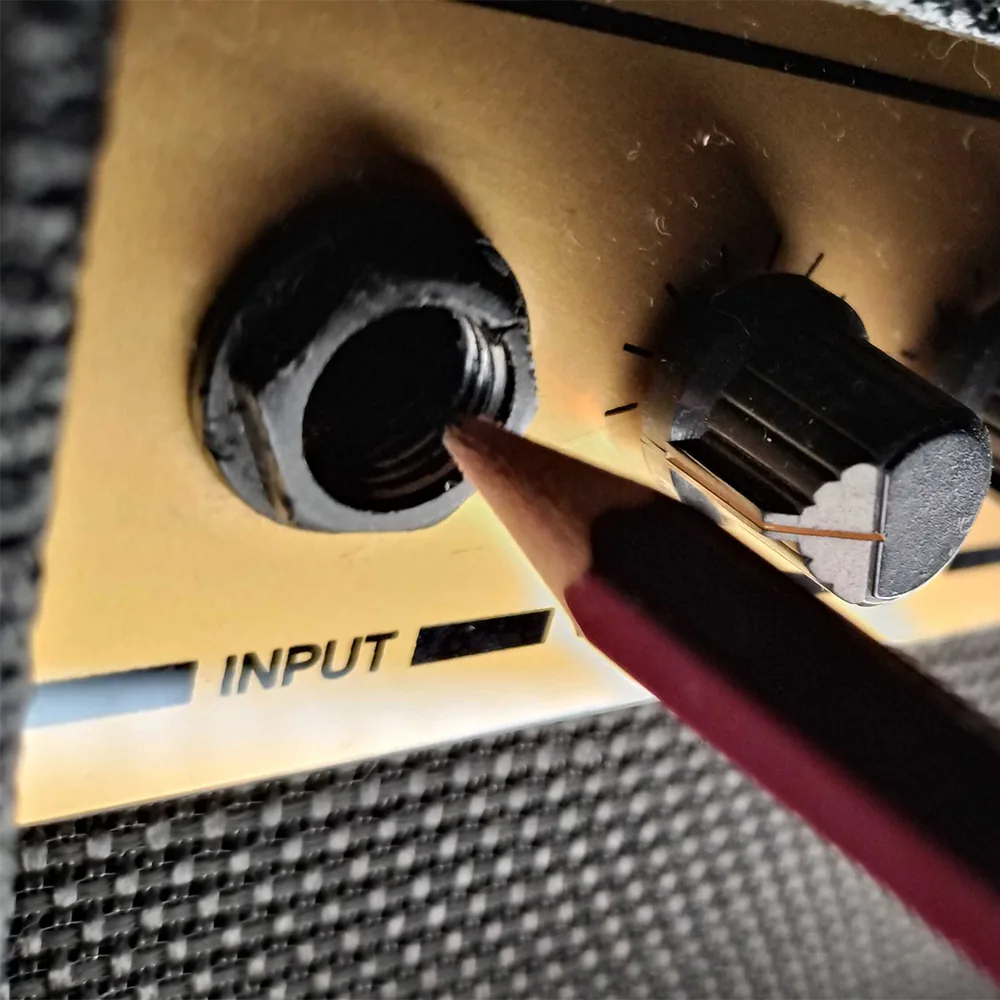
This study presents an interface design methodology that introduces strategic incongruity by embedding everyday objects into existing audio equipment, bridging mundane actions and musical expression. Specifically, we modified amplifiers and mixers by replacing jack socket with manual pencil sharpeners, treating the sound of sharpening as the primary input signal. By preserving the original appearance and operational conventions of audio gear, this design recontextualizes a domestic chore as a standard audio input, inviting users to engage in an entirely new way. Unlike prior practices that map actions to sound or repurpose objects as sources, the novelty here lies in retaining the object’s function while situating it within an established musical interface. Rather than proposing new technologies, this work treats the functional discrepancy between equipment appearance and operational reality as a design resource. Through prototype exhibitions, we observed that the incongruity between musical expectations and non-musical actions elicits active engagement. This interaction was achieved with minimal instruction, demonstrating that the interface facilitates participation without complex guidance. This study reframes strategic incongruity as a design element for fostering active participation.